How to troubleshoot brake faults on your forklift
moboclassified November 6, 2026 No Comments
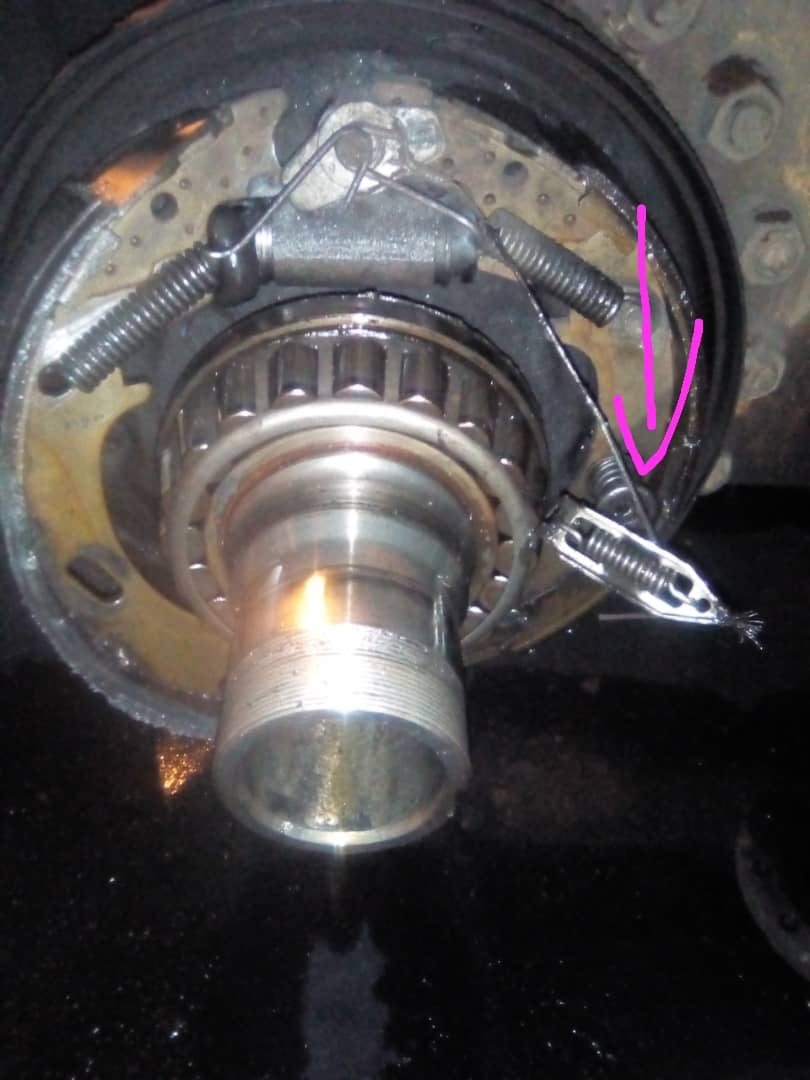
When a forklift is brought in for the issue of brake, you need to trouble shoot to know where the fault is coming from.
The problem can popularly come from these parts of the fork lift:
- Defective rubbers in the wheel cylinders in the front tires
- Defective Brake shoes
- Defective master brake assembly rubbers
- Shortage of brake fluid which can be as a result of point number 1 and 2 above.
- Leakage of gear oil into the brake shoes and wheels generally.
- Defective drum
braking system
Defective rubbers in the front wheel cylinders:
It usually takes plenty of time to open the braking system in the front wheels to check whether the brake rubbers in the front wheel cylinder are defective. When the rubbers are defective, there will be brake fluid leakage at that point. An easy way to know if the rubbers are defective and are causing leakage of brake fluid is to drive the fork lift over a pit, observe from inside of the pit if there are signs of brake fluid leakage from under the wheels.
Most of the time If the rubbers are defective and are leaking, you would see the signs of brake fluid pouring out from the front wheel cylinder down to under the wheels where you can easily spot it from under the pit. it is highly recommended to totally replace the entire wheel cylinder that houses the brake rubbers and its kit. It is an easy fix if you have the complete wheel cylinders. kindly note that the wheel cylinder for the right hand side is different from that of the left hand side. so make sure you get the correct one when ordering for the replacement part.
Defective Brake shoe Lining:
When the brake shoes are worn out, the brake system would not function properly again. The brake shoes get worn out due to wear and tear. You can look around for defective brake shoe lining and compare it with brand new ones so that you can be able to know a bad brake shoe lining wherever you see it. just like the wheel cylinders, we also have brake shoe linings for the left hand sie and for the right hand side. so when you are ordering for the shoe lining, ensure you get the correct part using the correct part number.
Defective master brake assembly rubbers:
It is usually better to change the entire master brake assembly when it begins to fail. the rubbers that usually get defective in the brake master are very small and can easily be defective is there are small contours or wounds around the edges. the small surface area of the rubber also makes it a bit difficult to be replaced. this is why it is highly recommended to replace the entire master cylinder if the brake master begins to fail. sometimes, the wall of the master cylinder might have been corroded, thereby increasing the size of the inner diameter, the greater the size of the inner diameter, the less effective the brake master will become because the brake rubbers wont have grip on the inner walls of the brake master.
How do you know when the master brake is not functioning well?
If you look carefully, from the point at which the rod is pressing into the master brake when you apply the brake, you would see leakage of brake fluid from that point. When you see such leakage, then you have to either change the brake master or rekit it. To rekit the master brake means to change the defective rubbers. The rubbers in the brake master are of two types, the front one and the back one, they are different from each other.
Do not try to replace the front rubber with the type that should be at the back. As you open the brake master, you might just be able to spot the bad or defective rubbers if you examine it carefully. Do not under estimate the consequence that a small or tiny cut or damage on the rubbers can cause.
If you spot any little damage, change the rubber with that damage and test the brake master, you can test it before installing it back in the machine by using water and the brake fluid container with the hose.
Just connect the container to the hose and the hose to the brake master. Let someone fill the container with water and hold it in a high position above the brake master that you are holding.
At your end cover the open spots in the brake master slightly with your fingers, allow space water to come out as you pump the end of the brake master with your screwdriver. If the water ggushes out with speed from on top or below(remember that you would remove the fingers as you pump to see how effective the brake master is) where you placed your fingers.
If it works as expected, drain he water out and install it in the machine. If it does not work, then change the other rubber that you assumed was good and test it again. It would definitely work this time.
Shortage of brake Fluid:
If there is no brake fluid leakage anywhere, then you should fill the brake fluid container and bleed it at the brake master point or at the wheel cylinder point. however you need to investigate the reason for the shortage of the brake-fluid. if there is a leakage at the wheels or at the brake master, then you know that you have to repair the assembly or out-rightly replace it as required.
Leakage of gear oil into the brake shoes and wheels:
Gear oil may find its way into the brake system and cause the brake shoes to be slippery against the drum. This will cause the fork lift to still gradually even after the brake is been applied. You would need to open up the braking system and wash the brake shoe lining and drum then cover it up again.
Defective drums:
In rear occasions the drum may be damaged. It can either be broken or be seriously worn out by the brake shoe lining if the adjustment is too much. You would need to replace the drum or brake shoe lining depending on which is damaged. Sometimes the two of them can become damaged together.
You need to keep it in mind that after you have done any brake repairs you would need to bleed it either at the brake master point or at the wheel cylinder point to allow for the escape of air from the braking system.
Leave a Comment
Your email address will not be published. Required fields are marked. *