Before you buy that Nigerian used car, look out for these things.
moboclassified October 11, 2026 No Comments
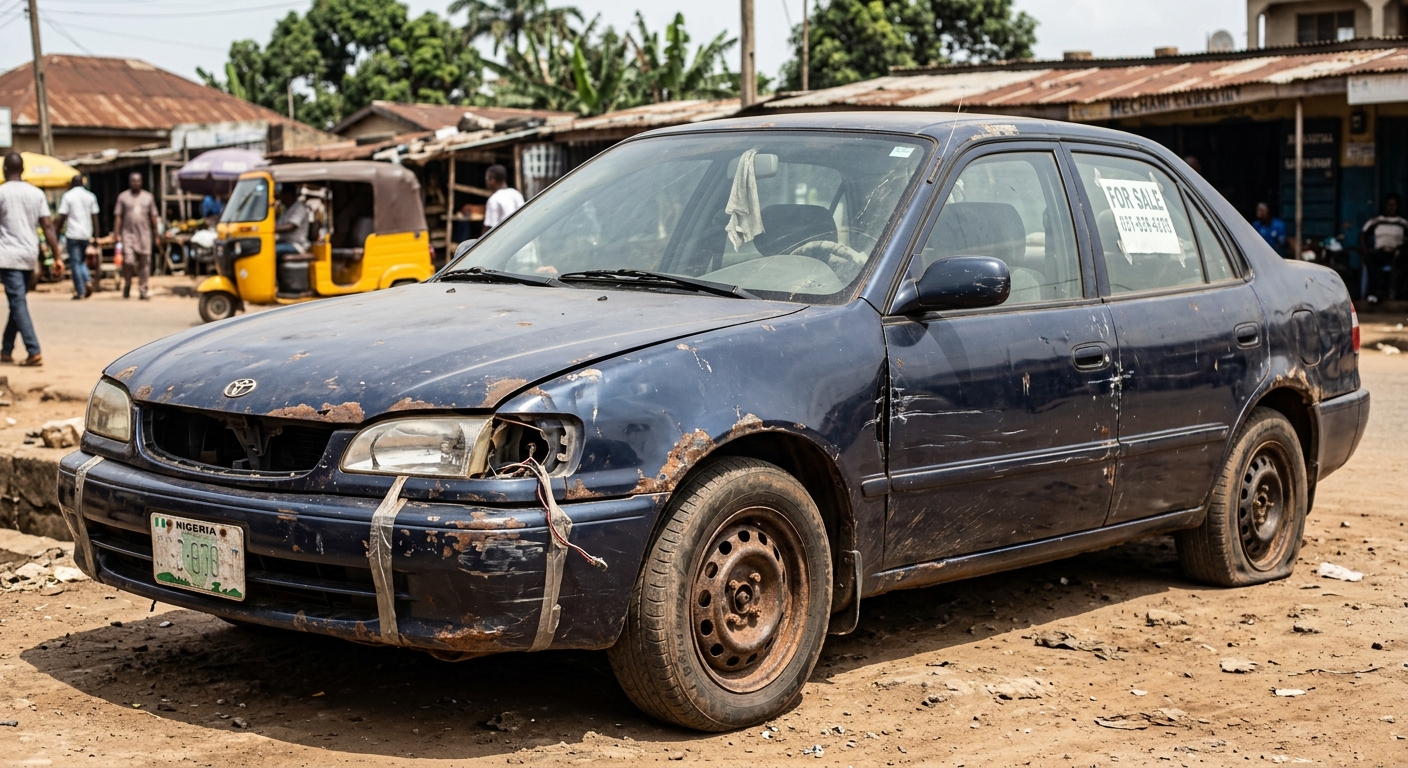
Before you Buy a Nigerian used car, there are a couple of things you need to look out for so you won’t be making a financial mistake. A Nigerian used car can save you money, but it requires extra caution because the vehicle has already navigated local road conditions, varying fuel quality, and local maintenance practices that you wont be informed about.
There are key areas that you have to evaluate when inspecting a Nigerian-used vehicle:
nigerian used car
What Documentation & Legal Verification do I require before agree to buy a Nigerian used car?
You must never pay for a car without thoroughly inspecting its paperwork, you wouldn’t want to be caught by the police to be using a stolen vehicle. If you can afford it, get a lawyer in the purchase process. Below are some key areas you should look into if you are a newbie:
Verify Ownership Papers:
Request for the original documents including the Proof of Ownership Certificate, Vehicle License, Roadworthiness Certificate, and a Change of Ownership receipt/letter from the previous owner. Make sure that you do an affidavit that the car belongs to you after you after you conclude the payment for the vehicle
Match the VIN/Chassis Number:
Compare the Vehicle Identification Number (VIN) on the dashboard windscreen corner and door jamb directly against the documents. Make sure that the engine number matches what is on the document.
Customs Papers & CMR:
Ensure that the original customs clearance papers (especially if it was imported within the last few years) and Police CMR (Central Motor Registry) documents are intact. Beware of cheap cars from the northern part of Nigeria, if a car is too cheap to be true, you need to properly verify the custom papers
Run a VIN Search even though it is a Nigerian used car
Use platforms like AutoCheck or standard VIN decoders to verify the car’s original trim, accident history before import, and structural records. This is very important because you would not want to buy a vehicle that was cut into half when it was involved in an accident; the structural integrity of such vehicle would have been seriously compromised and would be unsafe for use even if it is welded back together.
How do I inspect the Engine & Mechanical Condition of a Nigerian used car?
It is advisable to have a mechanic follow you for the car inspection to ensure that the engine is in a good condition. It is advisable to buy a vehicle with an untouched engine. If there are signs that the engine has been tampered, you should not go on with the purchase or buy the vehicle at a lower cost so you can have some spare money to replace or fix the engine. These are somethings you need to look out for when inspecting a car engine.
Cold Start Test:
Arrive at the site of the vehicle when the engine has not been warmed up. Check for strange knocking noises, excessive vibration, or difficulty starting.
Exhaust Smoke:
Observe carefully the color of the exhaust smoke on startup and acceleration. The color would tell you what to know about the issues with the engine.
Blue smoke:
Burning oil (piston ring or valve seal issues).
Thick white smoke:
Coolant leak / blown head gasket.
Black smoke:
Poor fuel/air ratio or bad injectors.
Oil & Coolant Inspection:
Pull the dipstick. Dark/dirty oil indicates poor maintenance, while milky/sludgy oil means coolant is mixing with oil. Check the radiator reservoir for rust or oil scum.
Bypassed Cooling System:
Check if the radiator fan was direct-wired or if the thermostat was removed—a common temporary fix for overheating engines. Ask questions about the history of the repairs and do a very long test drive. Do not be in a hurry.
Transmission (Gearbox)
Smooth Shifting:
On automatic cars, gear shifts should be smooth. Any harsh jerking, delays when shifting into Drive/Reverse, or slipping under acceleration indicates a failing gearbox. A gear box is not only expensive but it is hard to find a gear box that will be compatible with your vehicle if it ever gets damaged even if the replacement gear box is for the model/year of your car.
Transmission Fluid:
Check the gearbox dipstick (if available). The fluid should be reddish/pink, not dark brown or smelling burnt.
Bodywork, Frame & Rust (“First Body” vs. Repainted)
Body Filler (Bondo):
Tap along the body panels or test with a magnet. A magnet won’t stick to heavy body filler used to mask major accident damage. This is why you see car dealers/inspectors with magnets tapping vehicles in quick succession while moving round the vehicle
Panel Alignment:
Look around the vehicle for uneven gaps between doors, bonnet, or boot. Misaligned panels usually indicate a past collision or funny upgrades
Chassis & Underbody Integrity:
Inspect under the car for signs of frame welding, rust, or severe scrapes caused by bad roads. Be even more weary about rust, there’s no solution to a vehicle that is rusted underneath. Be very careful.
Checking the Electrical Systems & AC
Air Conditioning:
In Nigeria due to our hot weather, a functional AC is essential. Test if it cools quickly and ensure the cooling fan engages properly. Also do a test drive while the AC is on, to see if the ac functions properly while the car is on motion on high speed.
Dashboard Lights:
Turn the key to ignition. The Check Engine, ABS, and Airbag warning lights should turn on briefly and then turn off when started. If they don’t light up at all, the seller may have removed the bulbs to hide faults, they might also remove the fuse or the wires that control these lights. There are vehicle inspection tools that can be used to see the hidden faults even if the bulbs have been removed.
Cabin Electronics:
Test power windows, door locks, side mirrors, wipers, and headlights. Don’t over look these minor checks, even the radio, panoramic roof controls etc.
How to inspect the Suspension & Undercarriage of a Nigerian used vehicle?
Although, most times, these faults can be minor but it would have you a lot of money during inspection while you are bargaining for the cost of the vehicle
Bounce & Noise Test:
Press down on each corner of the car; it should settle immediately without extra bouncing.
Test Drive Over Rough Roads:
Drive over bumps and listen for loud clunking, knocking, or grinding noises from shock absorbers, ball joints, or bushings.
Tire Wear Patterns:
check the tires, uneven tire wear on the inside or outside edges signals misaligned wheels or damaged suspension components.
You can check Mobo’s automotive section for good deals on Nigerian used cars
Leave a Comment
Your email address will not be published. Required fields are marked. *